Plant Profile: Pavement Rose

Pavement Rose

Today’s plant profile features a unique variety of rose, the PAVEMENT ROSE. We discovered pavement roses at our beloved place for all things edible plants, Edible Landscaping in Afton, Virginia.

Pavement Roses are one of the hardiest varieties of roses and have natural immunity to black spots and other diseases. We have also found them to be less susceptible to insects like Japanese Beetles than other, more common varieties of roses.

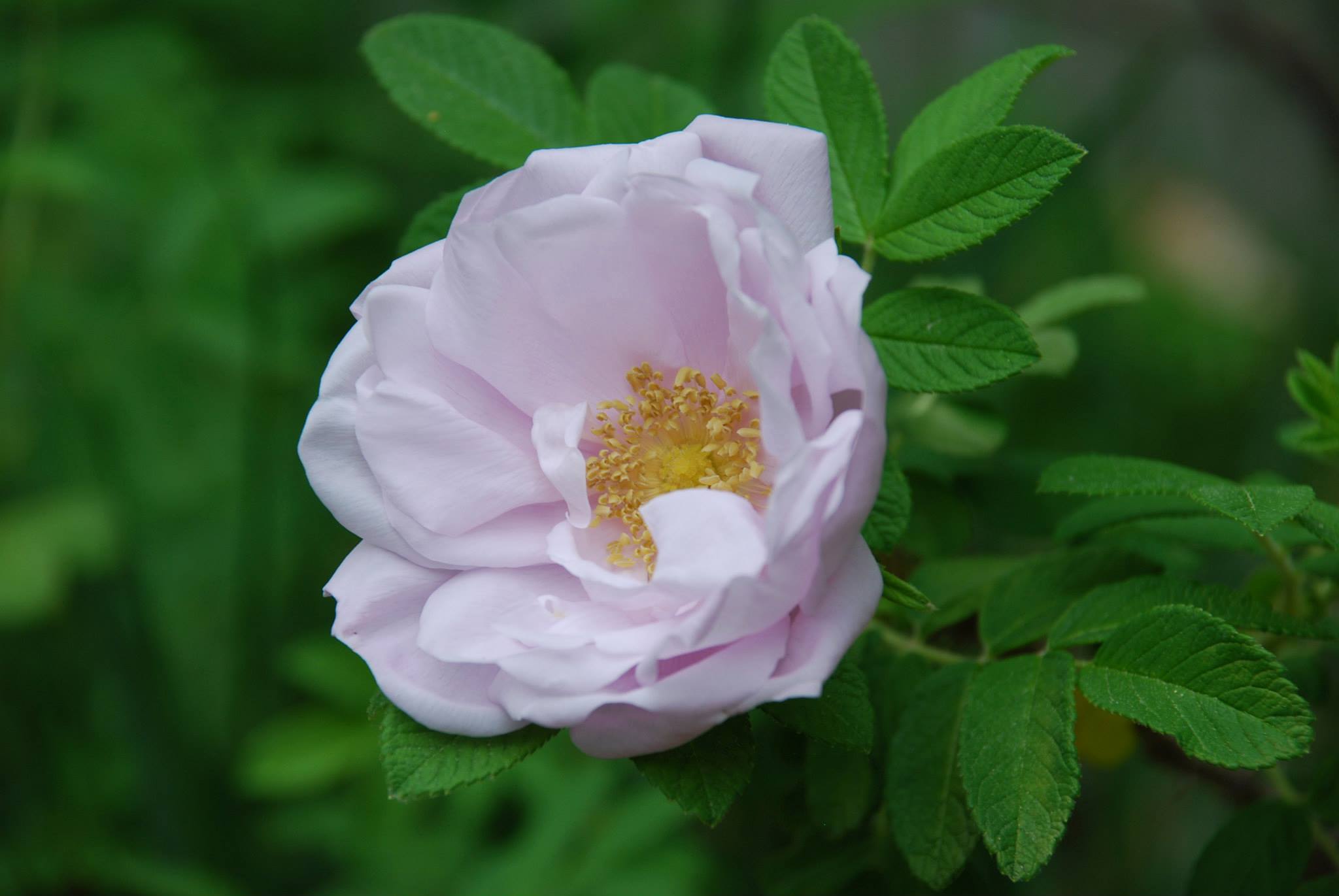
While there are several types of Pavement Roses available, we have Snow here at the Microsanctuary. They produce a remarkably steady supply of fragrant, pink flowers that (unless nibbled off by deer first) turn into large (up to 1″ in diameter) hips that start off orange but get slightly red in the fall.

Along with being beautiful, the petals of Pavement Roses (and other varieties) are useful fresh or dried. They can be added to teas, used as a garnish in salads or desserts, and infused in water, oil, or vinegar.

Rose hips are very nutritious, being particularly high in vitamin C (though be sure to eat them soon after picking to get the most of the vitamin C). The hips can be made into jam, puree, and tea, among other uses, and they have traditionally been used to treat stomach disorders when taken medicinally.

Check out these fun recipes for using roses!

* Rose water: http://www.organicauthority.com/organic-gardening/make-your-own-rose-water-elixir-of-the-goddess.html

* Rose hip tea: http://www.motherearthliving.com/cooking-methods/rose-hip-recipes-tea.aspx#axzz38UburcRV

* Rose hip jam: http://allrecipes.com/recipe/rose-hip-freezer-jam/

Blueberry Crumble Bars

Alan and I went blueberry picking after a mama deer and her baby ate every berry from our new bushes. We came home with 10.5 pounds of berries!

We froze some, I baked a pie and muffins, and I made yummy, easy bars. I can’t imagine our ever growing tired of anything and all things blueberry! I really do understand why our deer friends cleaned off our bushes so well.

– Linda Nelson

Blueberry Crumble Bars

Ingredients:

1 cup sugar (you can use all vegan white sugar, or brown, or a combination)
1 teaspoon baking powder
3 cups all-purpose flour
1 cup cold vegan butter (2 sticks or 8 ounces)
1 flax see egg (2.5 tablespoons ground flax seeds mixed with 3 tablespoons water, whipped with a fork)
1/4 teaspoon salt

Zest and juice of one lemon
4 cups fresh blueberries
4 teaspoons cornstarch
1 teaspoon cinnamon

Directions:

Preheat the oven to 375 degrees F. Grease a 9×13 inch pan.

In a medium bowl, stir together 1 cup sugar, 3 cups flour, and baking powder. Mix in salt and lemon zest. Use a fork or pastry cutter to blend in the vegan butter and flax seed egg. Dough will be crumbly. Pat half of dough into the prepared pan.

In another bowl, stir together the cornstarch, lemon juice, and cinnamon. Gently mix in the blueberries. Sprinkle the blueberry mixture evenly over the crust. Crumble remaining dough over the berry layer.

Bake for 45 minutes, or until top is slightly brown. Cool completely before cutting into squares. Store in the refrigerator.

Plant Profile: Mulberry

Fruit trees are such spectacular beings. We often think of them as part of orchards or as the occasional member of a mostly non-edible landscape in suburbia. But fruit trees can be so much more. For example, one approach to garden design is called the Edible Forest Garden. It mimics a self-sustaining forest ecosystem and features fruit and nut trees as the largest members of a densely layered forest of food. Fruit trees are key to this because they are perennial, provide years of food for harvesting, provide homes for various other creatures, can help to stabilize soil, and retain moisture. And, of course, we all know how helpful trees are as carbon sinks and generators of oxygen. (I could go on all day, so if you have more questions about Edible Forest Gardens and permaculture–from a vegan perspective–get in touch with us.)

Today’s plant profile is of an amazingly *fruitful* tree, the MULBERRY. You may know the tree primarily for the purple stains its berries leave on sidewalks or cars–and all the purple bird poop that speckles, well, everything when they are in season. It has been cultivated over the centuries throughout the world, including China (where, sadly, the native white mulberry’s leaves were used as food for silkworms in the silk industry), Europe, and the Mediterranean before spreading farther. Varieties include White, Black, Red, and American. The trees are relatively hardy and spread easily due to the popularity of the fruit (and thus the widespread pooping of the seeds). They can grow as tall as 75-80 ft., and some varieties have been known to produce fruit for hundreds of years (though it can take as long as 10 years for a tree to start fruiting). They can be grown easily from cuttings or seeds from a fruit left under some soil.

Much like raspberries, blackberries, and similar berries, the mulberry fruit is actually a collection of very small globular fruits, each containing a seed. Beloved by most wildlife, birds especially go cuckoo for mulberry fruits (not Cocoa Puffs), and they are a favorite snack for chickens. We have planted a young tree in our chicken yard for just this purpose–as well as shade and cover–and look forward to those first deep purple, juicy, sweet but not too sweet fruits. If we can get any from the chickens and other birds, that is.

Since the fruits are not as sweet as more common, more heavily domesticated fruits, and because they are so delicate, you are most likely going to need to find a tree somewhere–or plant one!–to enjoy mulberry’s deliciousness. You can often find mulberry in pies, tarts, wines, or jams, though our favorite use is eating them out of hand right off the tree. In recent years, the health benefits of mulberry (particularly white mulberry) have become more popularly known. Its leaves have been used in powdered form to treat diabetes, high cholesterol, high blood pressure, and even the common cold. The fruits are high in antioxidants, vitamin C, and vitamin K, and they even have a surprising amount of protein for a fruit.

Currently our only recipe for enjoying mulberries involves a tree, the fruit, your hand, and your mouth. But try mulberries next time you make a vegan pie or other recipe calling for berries. (You might need to add a bit more sugar if you like things sweet.)

Window and Mirror Cleaner

I wanted Nutmeg’s view of herself to be clear and comforting so I readied the mirror we offered her with my own homemade window and mirror cleaner.

It costs little to make, and I can be sure that the ingredients caused no harm to other animals and include no animal products either. And, it works beautifully!

– Linda Nelson

Window and Mirror Cleaner

2 cups water
1/4 cup distilled white vinegar
1/2 teaspoon cruelty-free dishwashing liquid

Mix all together, and pour into an empty spray bottle. Let the sun shine in!

Plant Profile: Dill

dill

Although not a staple of American cuisine, DILL is a fantastic herb to grow in your garden … and to bring into your kitchen.

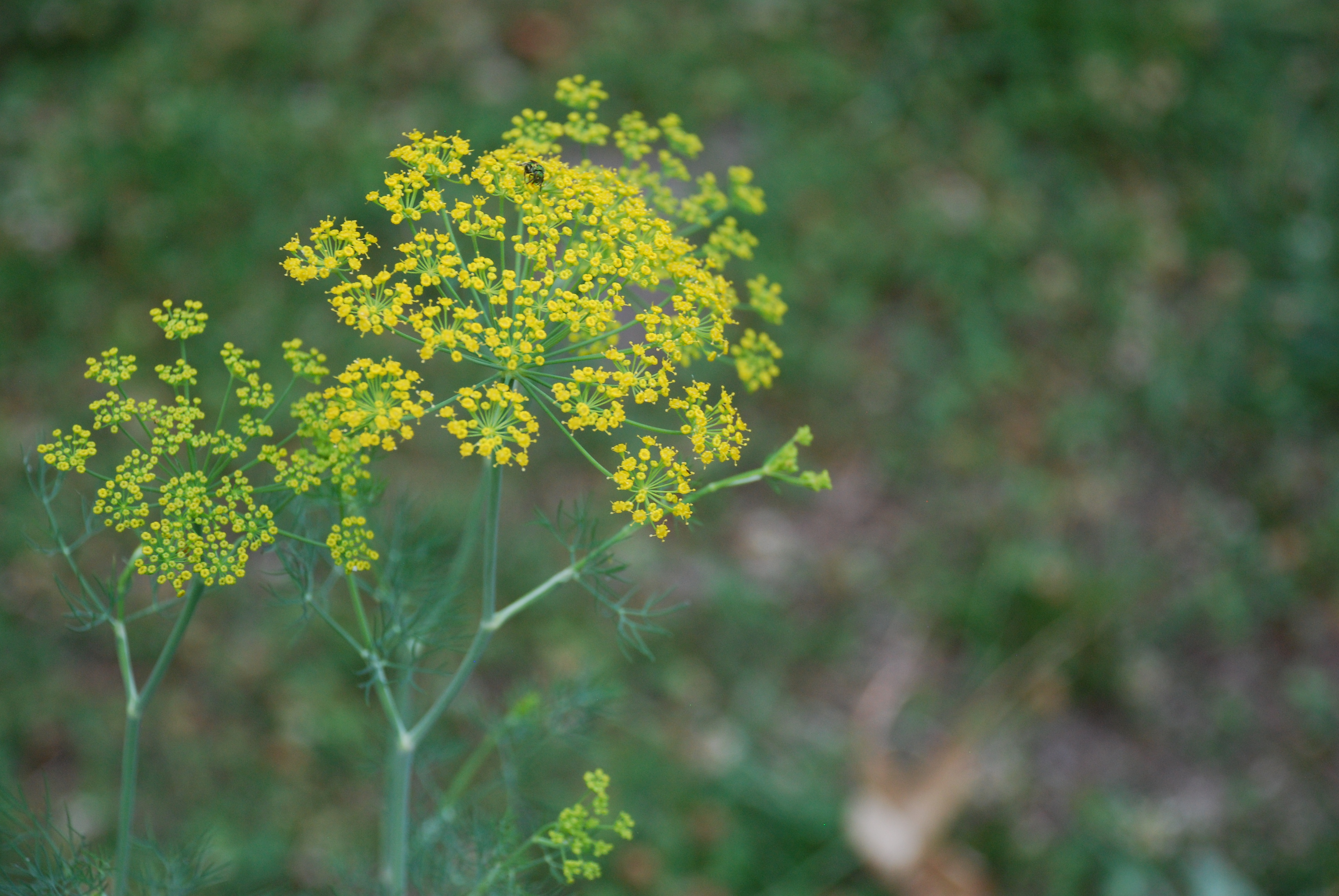
Dill is a native of the Mediterranean region and southern Russia (which makes it no surprise that dill is so ubiquitous in Russian cooking). A hardy annual herb, dill grows to about 2 1/2 feet tall, has feathery green leaves, and produces various heads with yellow flowers. Like fennel, dill’s flowers attract many pollinators while providing a wispy flash of color.

We most likely know dill from its use (particularly the seeds) in making pickles, or using its leaves as flavoring for soups and sauces. Dill seeds are also used for flavoring cakes and pastries.

Dill has medicinal uses, too. The “fruit” and oil of dill has been used for calming the stomach and eliminating gas, and has stimulant and aromatic properties. Learn more about dill’s history and uses here: http://www.botanical.com/botanical/mgmh/d/dill–13.html.

Here is a fun recipe featuring dill (as well as mint, which we featured recently): http://www.theppk.com/2011/07/cucumber-avocado-tea-sandwiches-with-fresh-herbs/. We made these for a TCA board meeting a few months ago and were blown away by the deliciousness of the sandwiches.

Do you have any special uses for dill?

Banana Nut Cookies

My “far away grandma” (to differentiate her from my “close by grandma”!) was a gifted baker. My seven siblings and I can talk about Grandma’s bags of goodies for hours when we get together. She had a tradition of sending my family and my cousins’ families home with bags and bags of fudge, cookies, cakes, and popcorn balls every Christmas. How we loved those magical bags!

Now that I am vegan, I’ve taken my grandma’s old recipes and made them my own. With just a couple of changes, they taste just like grandma used to make, but they are true to my ethics. Some traditions are so worth continuing while others should be examined and discarded.

I love knowing that vegans can have their cake, fudge, or cookies while bringing greater peace into the world.

Here is my Grandma Stonebrook’s Banana Nut Cookie recipe veganized!

– Linda Nelson

Ingredients:

1/2 cup vegan butter at room temperature
1 cup sugar (I used 1/2 cup white sugar and 1//2 cup dark brown sugar)
1 cup mashed ripe bananas
1 teaspoon baking soda
the equivalent of one egg replaced, use extra banana, egg replacement powder, or applesauce.
2 cups flour
pinch of salt
1/2 teaspoon cinnamon
1/2 teaspoon cloves
1/2 teaspoon nutmeg
1 cup chopped pecans, macadamia nuts, walnuts, or chocolate chips

Directions:

Preheat the oven to 350 F. Line a couple of cookie sheets with silpats or parchment paper.

In a medium bowl, cream the butter and the sugar/s until fluffy. Add the egg replacement, and beat until fluffy again.

In a separate bowl, mash the bananas (2 to 3), add the baking soda, and allow the mixture to sit for a couple of minutes.

Add the banana mixture to the butter/sugar mixture, and mix to incorporate.

Whisk the flour with the salt and spices, and add it to the wet ingredients. Mix only until combined. Add the nuts.

Drop tablespoons of dough (it will be of thick batter consistency) onto the baking sheets about 1 inch apart.

Bake for 11 to 13 minutes. You won’t believe the aroma in your kitchen!

Frittata Florentine

Alan and I think that one of the best ways to enjoy tofu is in a frittata. They are easy to prepare, ready in about forty minutes, and delicious hot or cold.Here is my version of Frittata Florentine, a.k.a. What I had in the house Frittata.
– Linda Nelson
Frittata FlorentineIngredients:1 extra firm package of tofu (do not use silken), pressed
4 cups fresh spinach,chopped
1 fresh tomato, I used the first one harvested from our plants!
1/4 cup julienne cut sun dried tomatoes
3 to 6 cloves garlic, sliced
1/2 tablespoon olive oil or water for sautéing
2 teaspoons dried oregano,
or use 1 tablespoon fresh
1 teaspoon dried basil, or use fresh
1/4 cup Smokey Spread plant based cheese (This is by no means necessary,but I had made an impromptu frittata using this for lunch at the Microsanctuary one day, and Rosemary and I had enjoyed it so I thought I’d use it for this morning’s breakfast. If you don’t have any Spread around, you could add 1/4 cup nutritional yeast.)
Salt and pepper to taste

Directions:

Preheat oven to 400 degrees F.

Press the tofu for about 30 minutes. This step isn’t mandatory, but it will allow the frittata to hold up to cutting better. Just squeeze the tofu in a colander over the sink, if you don’t want to bother with the pressing.

Heat a wok or sauté pan over medium low heat. Add the water or oil and garlic, and cook until the garlic, stirring occasionally until it turns a light golden color. Add the spinach, oregano, and basil, and cook until the spinach is completely wilted. This whole process will take about eight to ten minutes.

While the spinach is cooking, prepare the tofu by crumbling it in your hands until it has a consistency that will hold together pretty well. Add both kinds of tomatoes, the Spread, if you’re using it, and the salt and pepper to taste. When the spinach mixture is ready, add it, and mix well.

Lightly oil a pie plate, and press the frittata mixture into it firmly.

Bake for twenty to thirty minutes until it is firm and brown enough for your liking.

Let it rest on the counter for a few minutes before slicing and serving.


Cranberry Tea Cake

Cranberry Tea Cake

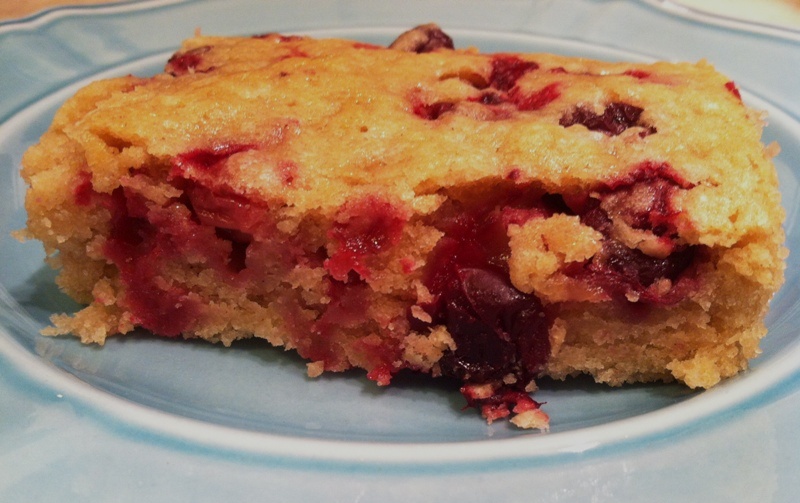
Any time is a good time for tea time at our house, and while a straight cup of steaming tea is almost always more than adequate, we sometimes like to have a treat to nibble on as well. This Cranberry Tea Cake will appeal to those who love sweets and those with less of a sweet tooth (when coupled with tea). The tartness of the cranberries cuts the sugar’s sweetness, while the coconut gives the cake a satisfying richness, and a hot cup of tea rounds out the flavors splendidly.

– Justin Van Kleeck

Cranberry Tea Cake

Ingredients:
1/2 cup full-fat coconut milk
1 teaspoon apple cider vinegar
1/2 cup all-purpose flour
3/4 cup whole-wheat pastry flour
1/2 teaspoon baking powder
1/4 teaspoon cinnamon
1/4 teaspoon fine salt
1/2 cup organic sugar
1/4 cup plus 2 tablespoons coconut oil, melted
1/4 cup non-dairy milk
2 tablespoons maple syrup
2 teaspoons vanilla extract
1/2 cup frozen cranberries

Directions:

Combine the coconut milk with the vinegar and set aside for 30 minutes.

Preheat oven to 350 F. Lightly oil a 9″x9″ baking pan.

Combine the dry ingredients in a medium mixing bowl and mix well. Mix together the coconut milk and vinegar, non-dairy milk, maple syrup, and vanilla extract, then add to the dry ingredients along with the coconut oil. Mix until thoroughly combined. Fold in the cranberries.

Pour the batter into the pan and spread out evenly; if the batter seems a bit dry, do not worry as it will moisten during baking. Bake for 35-40 minutes, or until the edges turn golden and a toothpick inserted in the center comes out clean. Remove from the oven and allow to cool. The cake will set as it cools.

Once completely cooled, cut into 8 pieces.

– Adapted from Vegan Chocolate by Fran Costigan.

Scottish Oatcakes

When Alan and I were in Scotland, we tried the vegan haggis, had a great gourmet vegan dinner in Edinburgh, and otherwise ate our weight in Scottish oatcakes that we found in a tiny corner store. We couldn’t believe our luck when we read the ingredients and found they were vegan!

I was determined to find them when we returned, but all the commercial brands in this country have animal ingredients or palm oil. So I determined to make my own.

Here is the recipe I came up with. Start them at least eight hours before you want to eat them because they do have to sit to soften.

– Linda Nelson

Scottish Oatcakes

Ingredients:

1 1/2 cups steel cut oats (I put them in my food processor to grind them down before beginning the recipe. Some texture is nice, but the cakes won’t hold together if you don’t take this step.)
1/2 cup spelt flour, whole wheat flour, or oat flour (just whir old fashioned oats in your processor or blender to make the flour)
1/4 cup vegan buttermilk (just add 3/4 teaspoon lemon juice or apple cider vinegar to soy milk, and allow to sit for a few minutes)
1/4 cup hot water
1/4 cup melted vegan butter (or use coconut oil)
1/4 teaspoon salt
1/4 teaspoon baking soda

Directions:

Mix the oats and flour with the vegan buttermilk and hot water in a medium bowl. Cover, and leave on the counter overnight or enough time to have the ingredients soften.

In the morning, preheat the oven to 325. Mix the melted vegan butter, salt, and baking soda into the softened oat/flour mixture. Use your hands to mix into a dough that holds together. If it is too dry, add a tablespoon of buttermilk or soy milk.

Flour the counter, and flatten the dough before rolling it out to 1/4 inch thick. Use a mason jar or a biscuit cutter to cut out circles. Place 1/2 inch apart on a cookie sheet lined with parchment or a silpat.

Bake for 20 or 25 minutes until golden.

These are equally good served with a cup of tea and a spread of jam for breakfast or with mango chutney and a cold beer for an evening snack.

They are a pretty versatile and healthy snack providing plenty of fiber.

TCA’s Upcoming Class Schedule!

As our mission statement expresses, Triangle Chance for All is focused on promoting a vegan lifestyle in order to end the exploitation of all animals. We are excited to announce the following schedule for our vegan classes and other events for the remainder of 2014!

Some dates are subject to change; please stay updated on upcoming classes and events on our events calendar: http://trianglechanceforall.org/events.

  • August 10, 2014: Vegan Bread-Making Workshop
  • September 16, 2014: Vegan Night Out
  • September 28, 2014: Vegan Butter, Cheese, & Yogurt Workshop
  • October 4, 2014: BIG Fall Vegan Bake Sale
  • October 26, 2014: Canning Workshop
  • November 8, 2014: Vegan Pie-Making Workshop
  • November 22, 2014: Thanksgiving Potluck
  • December 14, 2014: Holiday vegan cookie exchange

We hope you can join us for these and other fun TCA events!
And look out for more ways to learn and engage.

From our vegan bake sale at the UNC School of Law!